By Zan Bockes
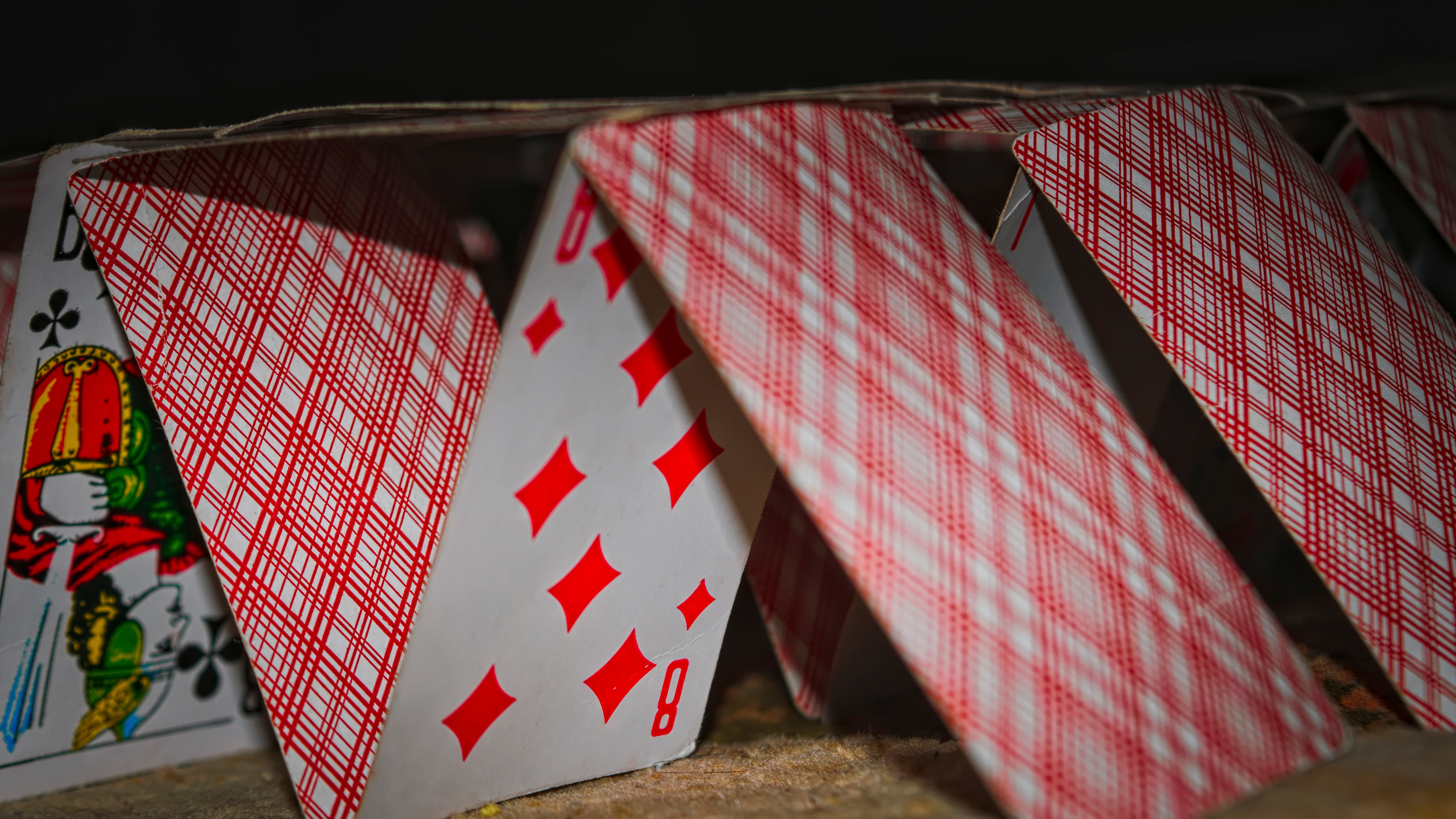
He has forgotten what it means to be a father. The daughter has not forgotten, but the boundaries have dissolved, all the power of this moment crashing around her like the house of cards her brother wrecked again and again, laughing. The brother is at the bedrail, leaning into the sour breath of their dying father, who has forgotten also how his son disappointed him—the meanderings and misunderstandings, faded postcards from dismal Midwestern towns, Christmas cuff links pawned for Wild Turkey, secret DUIs and nights in jail. Their mother grips her husband’s hand, a solid thing after forty-five years of looking into his eyes, blue as the lake and summers on the dock where they first met and linked arms, leaping together into the crystal waters. She sees the impending end of her life—a wall with a tiny aperture through which she will ultimately crawl, folding herself impossibly like a breach birth, slipping backwards and pulling herself through—the reverse passage her children cannot recall. She focuses on her husband’s next breath and says, “I wish you had spent more time with us.” The father’s eyes cloud with a pain that she feels herself; the doors in the corridor of her regret slam, nothing left but an unending echo. The daughter bends to his ear: “I tried so hard to please you…” As a child, she cowered before him—he was gigantic, a lofty tree with a huge trunk and biceps like massive branches. But the sturdy legs lie shriveled beneath the blankets, useless. He is shocked at what life has come to, the family gathered, the breathing machine hissing and the intercom paging doctors in the hallway outside this stark room. The son pulls the perfect white square of a Kleenex from a box—he wishes he had a folded handkerchief in his breast pocket, embroidered by his German grandma, the father’s mother long lost to present tense but always at the edge of the room, behind the rustling curtain. The wife offers her husband a sliver of ice, thinking of the frost this morning, how the cold stole her breath, the snow squeaking like Styrofoam. The father feels the tiny slip of water cooling his dry lips and thinks this is Heaven, or almost. The daughter touches her father’s hand, remembering how it once engulfed her own, and alarm rises along the back of her neck at its waxlike texture, how cold. He moves the hand to rest on his chest, plucks at the blanket like a silent harpist at invisible strings. “I’m sorry…” he whispers, gazing at the three faces. Each resolves, for their own reasons, to forgive him. Together they wait, though time is no longer passing. There must be some sign, they all think, that tells them “now” is over.