By Solape Adetutu Adeyemi
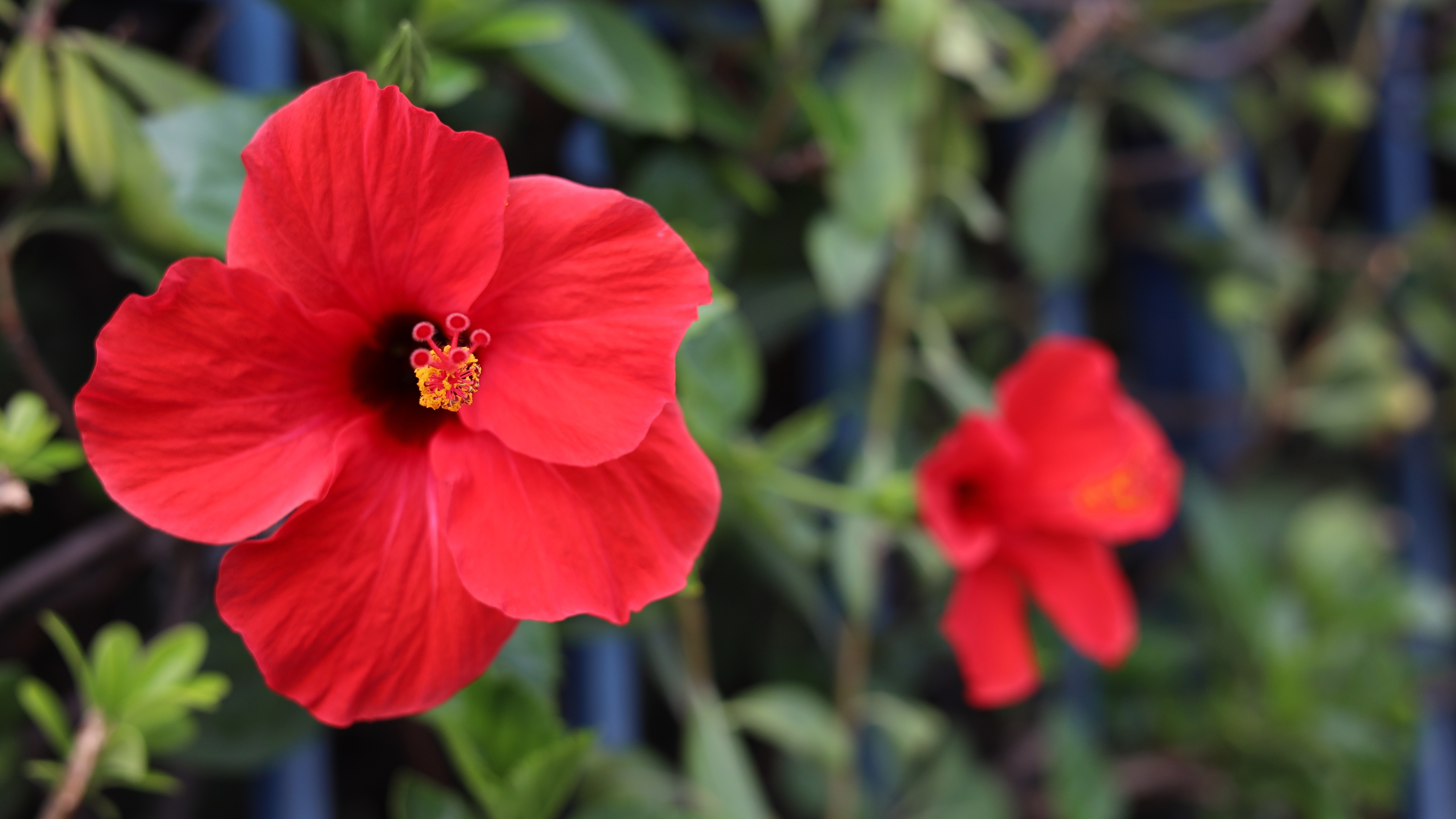
Evening settles over the compound like a warm blanket. The orange light from the setting sun slides across cracked cement, touching the hibiscus bush you planted by the gate. The flowers lean toward the last of the day, soft red against the fading sky. I hear the call to prayer from the distant mosque, a long, low sound that seems to stretch the hour. The air smells of wood smoke and roasted corn from the roadside. Children are still playing ten-ten, their laughter running like water along the dusty street.
You are not here. Still, I feel you everywhere. The old wooden chair where you used to sit creaks when the wind moves. Your napkin hangs behind the door, catching a bit of breeze, almost like breath. I carry a small piece of your voice inside me, the way a river keeps the shape of a stone long after it has rolled away.
People say life goes on. It does. The neighbors fry akara, the radio plays a highlife song, the night market glows with lamps. But there is a thin layer of yesterday resting on all these things. This is nagori—the aftertaste of a season that has ended. It is not sharp. It is slow, like the soft hum left after a drumbeat.
I sit on the veranda and let the dark come. The stars rise over the mango tree, patient and far. I remember your stories, the way you laughed, the way you called my name when I was small. The memories do not leave; they stay like the smell of rain on dry soil. They are gentle and heavy at the same time. I breathe them in because they are all I have, and because they tell me you were here, and some part of you still is.