By Cynthia Cox
Before
the 187th
Airborne Regiment dropped down
at Sunchon
without incident
and took the town, his division
was ordered to Nevada,
where atomic bombs
glittered over the desert.
Six miles out
from ground zero, they dug trenches
and camped for days.
When Shot Dog went off
at 1,400 feet
and the soldiers curved themselves
against the trench
like babies in a womb
and covered their eyes, he saw
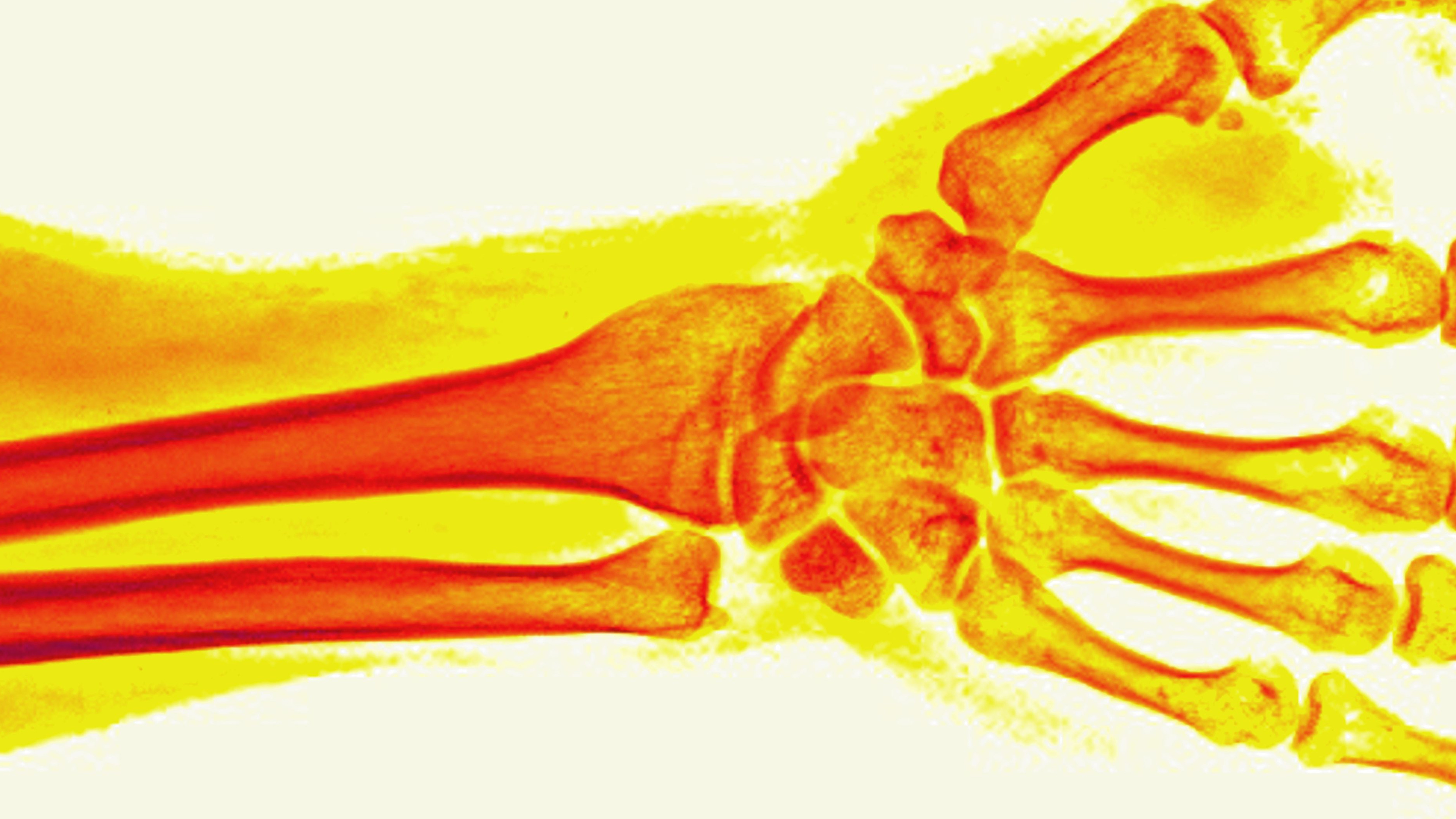
the bones of his hands
through his flesh and the flash
of light. When static
from the control room
ordered them to stand
and witness the cloud, the heat
waved out across the desert
and knocked him
on his back, then knocked him forward
on his stomach
after he stood up again
as the air was sucked back in.
His helmet
and one army boot
were gone, and
the roily spectrum
of the mushroom
spread above him, not black
like a thundercloud
but churning with light, with red
and red and orange and blue
like colored water
inked across the sky.
He tried not to think it was,
but it was beautiful. Before
they got their orders to march out
for maneuvers, an officer strapped
a film badge to his chest to test
the levels of exposure
on his skin, and then
he boarded a truck filled
with soldiers. As they neared the heart
of the explosion, he saw sand
burned to glass, Sherman tanks submerged
into earth, structures of steel and concrete
vaporized into jagged remains.
But the dogs
were still alive.
When he saw the dogs he thought:
of course. Of course
there would be dogs, he accepted this
as readily as he accepted his own dog-march
into war, and yet, he stopped,
and as he reached out
and laid his hands down
against their heated flesh,
the breath of the dogs slowed
in expectation of release,
but the veterinarian in the control room
with his euthanistic needle would wait
another day
for radiation levels to die down
before he did his work.
Most of the dogs
would be dead soon anyway,
dead from the toxins, dead from the burns,
but animal need
is futureless, immediate,
inapplicable to science or war,
and as he stood up and moved forward
to follow his ordered path
across the drop zone, the pathetic wail
of dogs rose up behind him,
desperate, incredulous, insistent
that the broken bond of skin against skin
be unforgotten, and by the time he made it out
to the perimeter where an officer
waved a Geiger counter over his fatigues
and professed him clean, he had come to hate
those dogs. And he continued to hate them
as he showered off in the makeshift latrines
of Desert Rock, and he hated them
while he vomited for three days
after the explosion, and he hated them
while his nose and gums continued to bleed
for months after that, and he hated them
while he shipped out for Korea,
and he heard the wail of dogs
in the rushes of rain
while he lay in the rice fields,
and he heard the wail of dogs
in the mournful marches of civilians
on dirt roads, in the windblast of a cargo door
opening over Munson-ni, in the graze of a bullet
against his ear before it pierced the helmet
of another soldier, and as the fallout from Shot Dog
continued its journey eastward
over North America on drifts of wind,
and Iodine-131 rained down
on farmlands from the thunderclouds
for months after the blast, he learned
that in the absence of mercy,
he would always hear
the wailing of dogs.