By Richard Collins
Baton Rouge, 1992
My father’s hands were white for the first time in my life
as he congratulated me on my third marriage.
Fingers spread and eyes wide, he held them both out to shake
my hand then turned them for me to see: such pale gray maps
of the retired mechanic, scarred from cars long dead
and gone from the road, buried in junk yards in nine states
from Oklahoma to Orange Cove. Hard to believe
those hands, gleaming in the porch light, were the selfsame hands
from my childhood. Hands that never struck me, but did my
older brothers and a bully, hands that taught lessons.
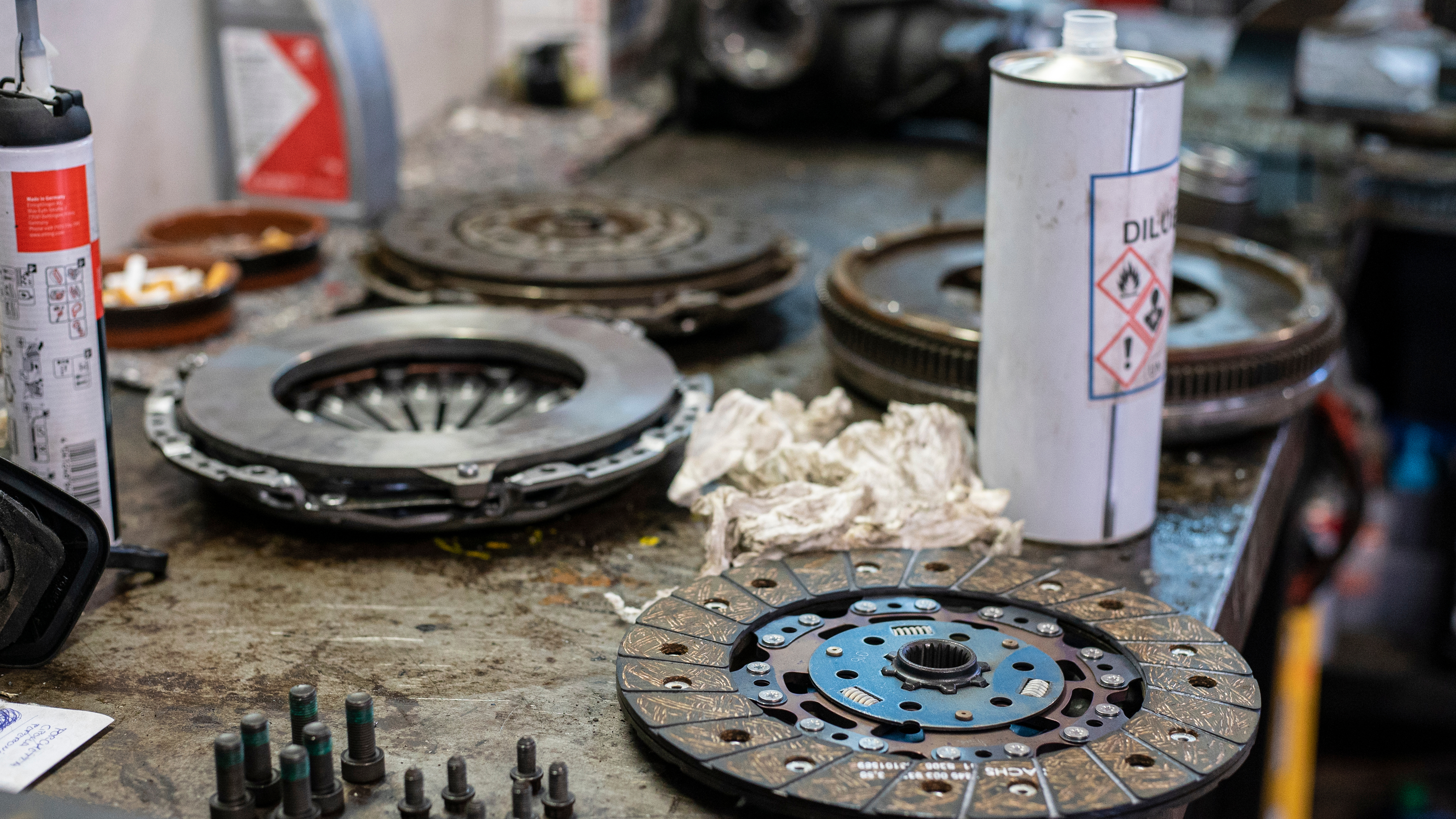
Early mornings and evenings and weekends, his garage
workbench was blackened with sludge, littered with dismembered
parts from a neighbor’s ‘57 Ford, corroded
carburetors, busted pistons, worn brake pads, and more.
For us kids he seemed to never have that kind of time,
never teaching us what he knew so that we would not
be like him, with hands like rusted Channellock wrenches,
every line in his palm etched with grime and labored time.
Holding a whisky after the wedding, he told me
his blood was thin and pinched the skin between forefinger
and thumb to invoke a bruise, the slightest t-t-touch,
he stuttered, would bring new black-and-blues crawling along
his forearm like shadows of the dying afternoon,
underground irrigation canals like those we used
to camp beside, angling for catfish, and sleeping with
scorpions. When we were kids he’d flex his steel cord arm
to make his Marine vaccination scars dance a jig,
but never said much of his time on Okinawa.
It was evening on the porch, still warm the setting sun,
when he held out his hands not to hold but to behold
the whiteness like onionskin parchment stretched over
delicate bones, blistered drum skin ready to explode.
His stammer was almost unnoticeable that day
no longer a hammer tapping at an engine block.
I noted this mathematical oddity: he
was seventy and I, for the first time in my life,
was more than half his age, from then on always would be.
After the reception, the next day, he drove away
before dawn, waving his hands like flags from a bunker
or sails unfurling at the edge of a safe harbor
to catch the last breaths of the wind. Now that he is gone
I see them every night, pale flowers in pale moonlight.