By Angela Berkley
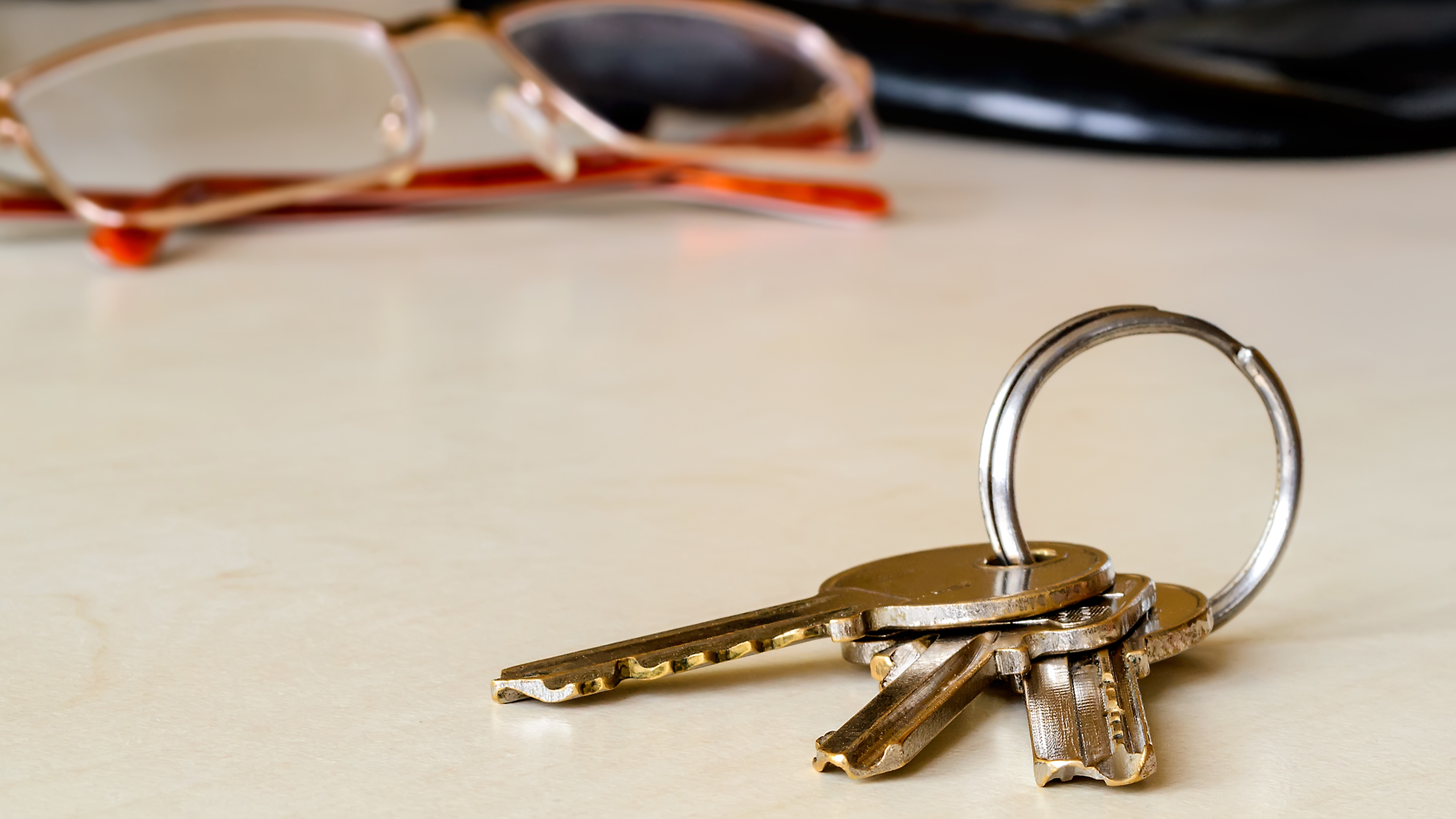
In the twenty years since my father died, my memories of him have dwindled into a banal collection of one-liners and advice, calcified images and tired stories. It makes no sense, this collection curated by chance or some forgotten notion that this or that snippet of him should be saved. They are the little things stuffed in pockets, forgotten until they’re found—a wrinkled sticker; a perfectly serviceable rubber band—too unlike actual trash to toss out, but not precious enough to put away properly. But sometimes, real treasures: the favorite lip gloss, the work ID about to be replaced, a house key.
At least once a day I put food away and, in my head, I hear my father’s voice saying, “you’ve got to make it airtight.” There is no pang, no pain, no wistful delight, not even a real memory—just his disembodied voice playing back like a recorded script, emanating from the soon-to-be-closed air pockets in a Ziploc bag, or the wrinkles and folds of cellophane about to be flattened beneath a rubber band. Another line plays whenever I put a sauté pan on the stove and heat it briefly before I add butter or oil: “that’s pan therapy.” I’m sure he explained, at some point, why preheating was therapeutic for the pan, but I don’t remember that part. When I sweep floors, I remember him watching me and saying, “let me show you how they do it in the old country.” He wasn’t from the old country. He spoke in expressions and aphorisms much of the time, for comic effect: “fool me once, shame on you. Fool me twice, shame on me.” This, after the second time he’d caught me having a party while my mother was away.
I thought that documenting these snippets, these scripts, in writing, would generate more of them. That this accidental collection would yield a treasure I’d temporarily forgotten, or maybe even enough treasures to fill the pockets in my life that his death keeps empty. I’d thought these pockets had finished with gaping, and that they were only ever going to be small gaps and pauses, lonely and boring, of everyday life that I wish he were around to fill: the tedium of standing at the stove, waiting for ground beef to brown, or the ten- or twenty- or thirty-minute car rides to and from my kids’ activities. He would have joined us (me, and the husband he didn’t get to see me marry and the grandchildren he never met) for dinner, and he would have kept me company (observing, critiquing) while I cooked it. He would have come along for the ride when I was stuck driving my daughter and her friends back and forth for an entire day, just as he used to do for me when I was her age. He didn’t talk much on those car rides, but I hear his silence echoing my own. I am listening, as he was, to a stream of chatter that must have seemed (I can see now) like it was always on the cusp of revealing some hidden treasure about a beloved daughter.
Peering down our window well at the sump pump lodged inside a five-gallon pickle bucket we’d gotten from our local grocery store made me long for him to be alive with a sharpness I hadn’t felt in a long time. I was staring at a problem, an annoyingly chronic part of my life for the past seven years, one that defied our seemingly ingenious solutions. When it rains, the window well fills, and the water seeps into our basement guest room, where he might have stayed, or even lived, if he’d stayed alive. Why does the water breach the wall when it does? What could be done to keep it out? Here was just the sort of puzzle of daily life that had delighted him, and that would be decidedly more delightful to solve if he could be part of the effort. The long-running scripts in my head about putting food away and sweeping are neat solutions to ordinary problems. They run in the background, too much a part of my unconscious knowledge of the world to remind me of how much I miss him. But that hole in the ground was overflowing, suddenly, with my grief; overflowing with mundane questions about erosion and animal burrows and downspouts and gutters that I wish I’d been able to ask him.
Realizing how I remember him shows me the inadequacy of my own mind. I’m frustrated—angry. I lived with him for twenty-three years. Shouldn’t I be able to conjure up more for myself than mundane advice and awful scenes from the end of his life? And here, as I write, I hear one of his lines, borrowed from the colorful collection of Alcoholics Anonymous mottos that stayed with him long after he quit drinking: “stop shoulding (i.e., shitting) all over yourself.” It’s obvious and ordinary, why I remember the awful times: because I was trying desperately to understand him as he struggled to speak through a ventilator, because I was failing to show him how well I was going to be able to get along without him, or because I knew that even moments that counted as “ordinary” (his whispered answer to a crossword puzzle clue I’d read aloud, clipping his nails) in the decidedly extraordinary world of the intensive care unit were going to be among the last ones we spent together.
Memories aren’t novels or museum-quality collections, at least not for me. Even if I’d tried to write the kind of account that his life deserved right after he died, I couldn’t have. I was only twenty-three and too devastated to see our lives like a curator or write about them like a narrator. Shoulding on myself about all that I can’t remember, all that I can’t write—it’s pointless, like all efforts to control the uncontrollable and just as distracting. I do, after all, still have genuine memories of him, even if I can’t summon them for myself. My children, like magicians, pull his voice out of my mouth like coins from behind my ears, with questions and complaints that would have sounded, to him, exactly like mine. Blink, or should on yourself too mercilessly, and you’ll miss the trick, the sleight of hand that stretches across decades. And I still have my longing, my hole in the ground filled with speculation and solutions he never got to propose. And on occasion, dreams, artifacts from that most unruly of the mind’s collections. Most recently: I dreamt of him in the hospital, but not how he’d been before he died. He wasn’t nearly as sick, and in the dream I knew he’d be able to go home soon. He sat up in bed, spoke, and ate, as he never could in the months before his death. On the tray table at his chest was a ceramic mug that I’d made a few weeks ago in the pottery class I take with my daughter, his granddaughter. In life, I’d rejected it as too imperfect for use, but there it was in front of my father’s ghost, stubbornly insisting on its usefulness. The pottery of everyday life—bowls, spoons, mugs—it would always be more useful than writing, and empty of the kind of agony that I can never escape when I write. Drink what you have, this dream mug says, and let go of everything I’ll never contain, everything that’s seeped through my cracks and all that will spill over my wobbly rim. I tell you that your mind, however imperfect, will never be empty of the father you loved.