By Karen Storm
The first night of Jim’s transition, I stayed with him, pulling the hospital recliner close to the bed so I could hold his hand. Did he know I was there? I hope so. Then days of raspy breathing, staff rolling him over, changing the sheets, draining the phlegm, adding a warmed blanket when I said he seemed cold. After the goodbyes from friends and family, I settled with our two best friends, waiting, watching, silently praying.
Finally, the moment when his breath, barely perceptible, ceased. His pale face turned to chalk. Together we witnessed the majesty of death. His ending, inevitable, yet still a shock. It’s over.
Relief followed shock, but I couldn’t share that feeling. It felt too monstrous. How could I make others understand the months of worry and coping, keeping the house and yard functional, restless nights on the couch, sleeping like a tiger, one eye open and poised to leap?
Now when friends ask how I am doing, I say, “fine.” I don’t mention my relaxed shoulders, sleeping through the night, and my cautious planning for the future—my deep sigh of relief. Even to myself, I sound heartless. The truth is I am okay. I eat, sleep, hug my grandchildren and hold my friends closer. Life feels dear.
I never identified as Jim’s caretaker, but I was. I was the behind-the-scenes person staying positive though grounded. Changing wet sheets without comment, bandaging abrasions on his swollen, raw legs, withholding admonishments to be more careful. I shared his journey. How could I not? I loved him as a wife but at times like a mother wanting to protect and make it all better.
Jim’s fierce independence trumped his fear, and he was not inclined to share either his feelings or his pain. If he said anything, it was at the end of a day when, worn down by the deep fatigue of his failing body, he didn’t feel hopeful. Even then, he only accepted help when I insisted. That said, we lived the decline together, holding hands in bed at night, unable to express our pain, choosing to just love instead. It’s heartbreaking to process the slow body breakdown of someone you love.
Yes, I’m relieved that it’s over, both for him and for me. But relief gives way to the reality of loss, of grief. The decline that bound us has disappeared forever.
My nights these days are filled with dreams of a house. I’m lost in it, and I search for a chute that I can slide down to escape, find myself again, be whole. Why a chute, I wonder. Why not walk out the door? Then I remember the chute attached to my elementary school in Racine Wisconsin, built in 1899. The chute was a rusty metal fire escape on which one could slide to safety.
The outside of this dream house is covered with a vine. The vine begins as a gnarled trunk, twisting and turning its branches around the house. In some places it shades the windows so I can’t see out. Other places tendrils push through, under windowsills, through outlets, behind pictures and into my house. The house is me. I’m not sure what the vine is, but I believe it is grief, enveloping me, twining through my rooms. Finding the chute and getting out will not help, but neither will staying.
I’m experienced in grief. I could write a melancholy song about crying in parking lots, clutching my love’s sweatshirt to my face so I can fall asleep, or the pervasive desire to call him and tell him about the good and bad that now makes up my days. Maybe a book would be better. Books are longer. But a song I could sing over and over. I could wail a song, and no one would necessarily know what my song is about. Feel and express the grief, cloaked as music. Maybe I’ll learn to play the Autoharp Jim gave me. I’ll be Iris DeMent, wailing with the Autoharp.
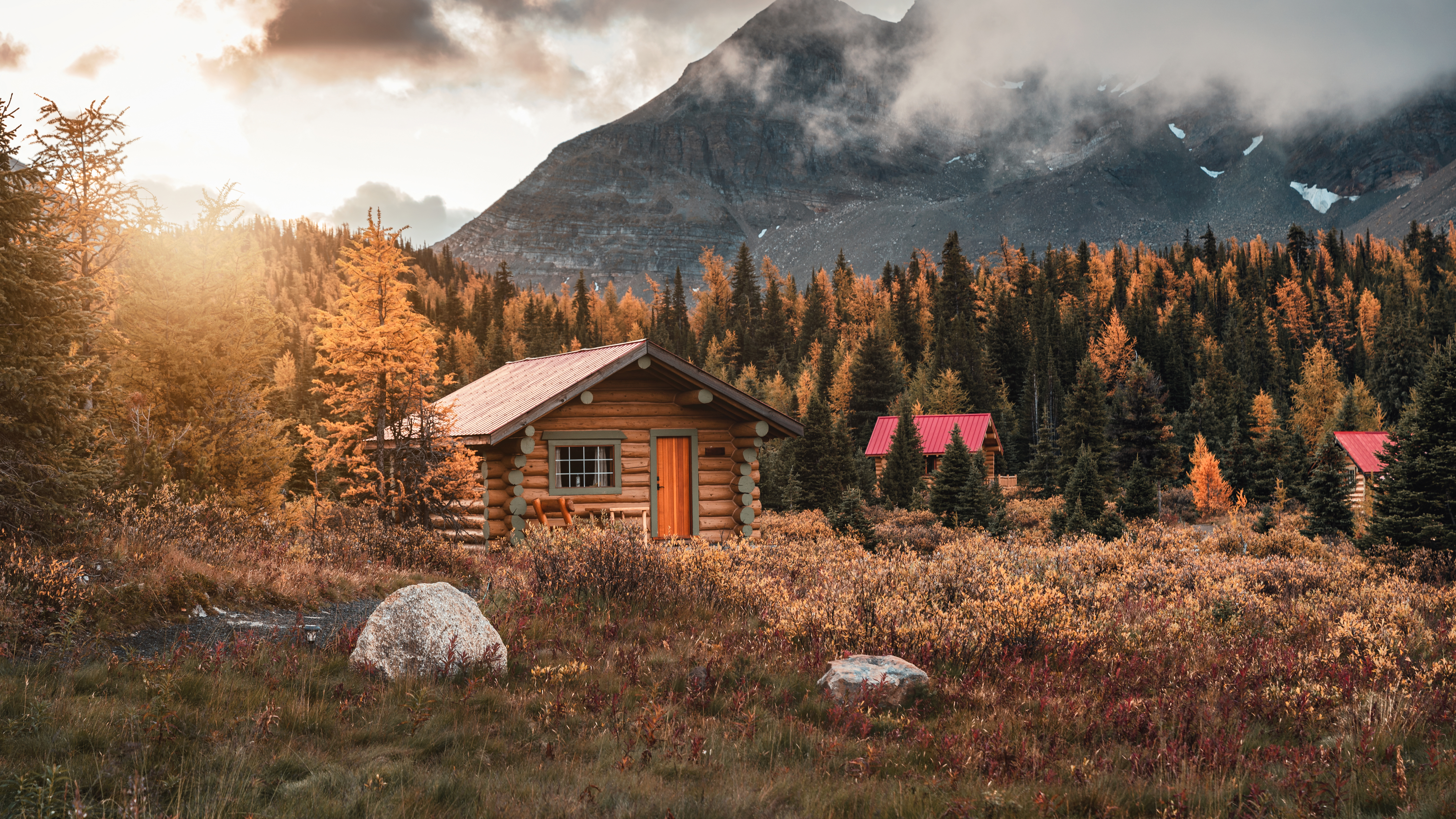
I like these imaginings. I know they will never happen, but they could. I’ll buy a cabin. I’ll awaken to birdsong. I can wail my song with them. Green trees and flowers will surround my cabin, not an insidious vine that wants to crush me. It will be my cabin, so I can build a chute if I need one; hopefully I will simply walk out the door to a lake, lapping its song gently against my shore.
I take to Google. Where will I find this cabin? But I abhor the bright light of devices. I want darkness, after all, life right now is dark. The cabin should show up miraculously. I shouldn’t have to search. I deserve a cabin. Three husbands, one my soulmate, gone from the world, and one lover too. Was I so terrible to be with that they chose to leave? But that is crazy thinking, and I know it. It’s one of the creepy vines, trying to twist my thinking.
Meanwhile, I am relieved that he has died. What kind of a person is relieved when someone dies? My kind, I guess. My relief is a weed, trying to bloom where it doesn’t belong. Like the creeping Charlie that consumed our yard, killing the prairie grass I tried to establish. He suffered, and his suffering spread throughout our house. Watching him walk up the stairs from his lair in our family room, he’d pause step-by-
step because he couldn’t breathe. Then he’d tell me he had anxiety, not heart failure. One of the many lies he told himself to avoid the truth that he was dying. His growing lack of appetite. I’d loved that he was a man of hearty tastes. I’d loved to cook for him, surprise him, homemade bread, and rhubarb bars. But nothing enticed him as his body shut down. He became increasingly unkempt. What could I say? “Clean up! You look like a slob!” But I didn’t. His fragility frightened me, and it would have made him feel worse.
But now that is in the past. And I’m relieved.
We had a house we loved, mutually, our third thing, with a deck from which to watch the birds, where the occasional raccoon or possum peeked in our sliding door, with a birdbath and the multiple feeders we hung. When it became too hard for Jim to cross the icy yard in winter to fill the feeders, our grandson came and took care of them for us. We needed our sanctuary. COVID-19 was a breeze for us, ensconced in a place we loved.
Now I’ve sold the house. And again, I’m relieved. The water heater broke and flooded our downstairs while he was in the hospital dying. A betrayal I couldn’t ignore. Then the sewer backed up because the drain to the street was plugged. Of course it was plugged, plugged with sadness. Our sanctuary was compromised. A young woman bought it. She will fill it with happiness again. The house deserves that, and Jim will smile, as will I.
I am both relief and grief. Funny how they rhyme. They belong together, like we did. They need their own word. Meanwhile, I wander the house in my dreams. I still can’t find the chute to catapult me to a new life, though I keep looking. There is real life, however. In real life I will find the door. I will walk through it when I’m ready, and I will keep on living.