By Joy Riggs
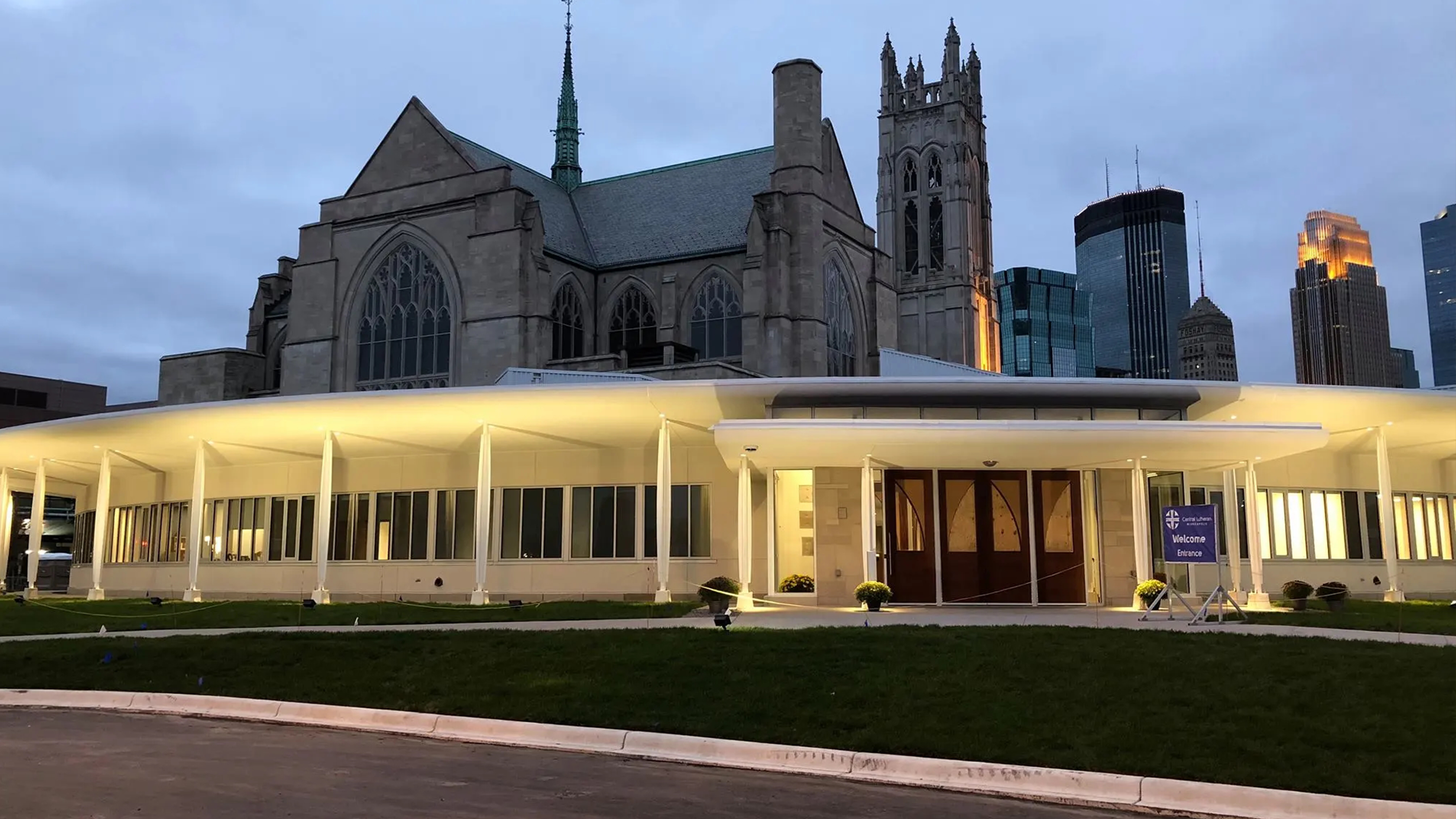
Twenty minutes before the community orchestra concert starts, I help Dad tuck his walker out of the way of the aisle, and we settle into padded wooden chairs at the back of the Lutheran church. I scan the crowd, looking for any faces I recognize. Dad thumbs through the English garden-themed program, which includes lengthy descriptions of lesser-known works by Handel, Elgar, and other composers. One piece features the organ, which I know my dad will appreciate; he used to listen regularly to the classical radio program Pipedreams.
Outside, the overcast, late-March sky seems to mock the idea of spring’s arrival and the promises of hope and renewal. But it matches my mood.
It must match my dad’s also. Because he turns to me, leans his whiskered face closer to mine, and asks: “Are there any books about how to live with someone who’s dead?”
My forehead muscles tense as I ponder his question, posed nearly three months after my eighty-five-year-old mom died as a result of a fall and a severe brain bleed.
It is not out of character for my dad to ask questions that defy easy answers. But still, this one gives me pause.
“I don’t know, Dad,” I say finally.
This seems to be my response for a lot of things these days, as he and I follow different but parallel paths in our grief—his loneliness compounded by depression and dementia, my loneliness compounded by the added responsibility of being my dad’s main source of companionship and support now that Mom is gone.
“I could check at the library to see what they might have about it,” I offer.
Dad considers this answer as more audience members fill in the seats around us. His cheeks look gaunt, and his eyes are slightly red and watery, probably from a lack of quality sleep.
“I thought I saw your mom the other morning, when I was in the bedroom. She was wearing a yellow dress, and she walked past me. I wanted to close the door to keep her in the room with me.”
His words, and the longing in his voice, make tiny cuts in my heart. Oh, Dad.
Disparate thoughts zip through my brain.
My first thought: Mom didn’t have a yellow dress. I knew this because I’d become well acquainted with the items in her closet the previous summer, when she’d asked me to help her pare down its overflowing contents. That was back when she still took pride in her fashionable clothes, and took long walks by herself outside their assisted living apartment to get a break from caregiving. But if she didn’t have a yellow dress, why did my dad’s brain conjure one? Did she have a yellow dress long ago, when they were dating?
My second, practical thought: Did my dad’s meds need adjusting?
My third, more mystical thought. If my mom did find a way to appear to us from beyond the veil, what would I say to her? What would I want her to say to me?
One of the last things she said to me over the phone, ten minutes before her fatal fall, was “I’m at sixes and sevens.” And the last thing I said to her, in response, was “I love you, Mom. I’ll see you later.”
And I did see her later that night, in the ER, her face bloodied and battered, but by then she was not conscious. She went into hospice care two days later and never woke up, never spoke to anyone again. The morning she died, I laughed and cried as I read messages of love aloud to her that I’d received from family members, friends, and former students of hers, and when the hospice nurse let me know that the end was near, I asked Alexa to play Enya tunes while I waited for my husband, Steve, to show up with my dad. Dad appeared just in time to lean in and kiss his wife of sixty-one years before she stopped breathing, and although she uttered no words, the electronic display of the Amazon Dot near her bed flashed one word in that moment: Goodbye.
What more was there to say?
A greeting from my friend Lee brings me out of my thoughts and back to the hum of pre-concert activity. He is leaning down next to my dad’s chair, so my dad can hear him better, and is talking animatedly. My dad seems to recognize Lee’s face but likely doesn’t remember his name. I wonder if he remembers that he played the trumpet for the wedding of Lee’s son almost a dozen years ago.
Like my dad, Lee is a widower; his wife, my friend Laurel, has been gone for two years now, and I still catch myself looking for her at concerts, or expecting to see her at our favorite restaurant. I still feel the absence of our frequent text and in-person conversations.
The last time I saw Laurel alive, she was propped up in her bed at home, dying of her third go-around with breast cancer. Steve and I brought over homemade risotto and sea salt caramel gelato, donned masks, and chatted with her and Lee about how she’d managed to live long enough to meet her fourth grandchild. We told her we’d come back again. Her parting words to us were, “I appreciate your friendship more than you know.”
Lee finishes talking to my dad and stands up. “I’d better go find my seat.”
I watch him walk away and think about how my dad could use Lee as an example of how to live with a dead person—if only my dad were twenty years younger and free of dementia.
Lee retired from his job around the time Laurel’s cancer came back and the COVID-19 pandemic started. He essentially holed up in the house with Laurel for many months during and after COVID, to protect Laurel during her treatments. After her death, he embraced the chance to get back out in the community by volunteering with a local housing group and joining a new church. He planned vacations (he, Steve, and I had traveled to Alaska together the previous summer with a group of friends), he returned to performing in the community choir, and he often attended live music events like this one.
As much as my dad wants to be useful, he is no longer capable of swinging a hammer, and he can’t play his trumpet anymore. Although he and my mom loved to travel, a car trip of more than three hours is a stretch for him now. But he does still appreciate listening to live music.
He holds his program out to me and points at an advertisement on the back. It is promoting an upcoming jazz concert featuring two well-known artists from Minneapolis. The concert is at the local theater, which is just a few blocks from my house, and a five-minute drive from my dad’s assisted living facility.
“I’ve seen them before, many years ago, and I’d love to go,” my dad says. “But it’s a long walk.”
He relishes this line, and repeats it at least once every time I see him. I muster a smile at his “joke” and say, “I’d really like to see that concert too. I’m happy to drive you, Dad.”
“It’s a deal. But I will buy my own ticket.”
We lower our voices as the orchestra conductor walks out to the podium. When the audience applause dies down, it occurs to me that I don’t need a book to help my dad with his question.
How do you live with someone who’s dead? You keep showing up for the people they loved dearly.